Pest Management in North York: Public Transit, Neighborhoods and Local Essentials
Why North York’s Urban Mix Affects Pest Activity
North York sits within Toronto, but it has its own pace: busy corridors, calm residential streets, lively commercial districts, and a mix of older and newer buildings. That combination makes pest control North York a different challenge from pest management in lower-density suburbs. In a transit-connected community like this, pests can move easily between multi-unit housing, commercial properties, and storage or service areas. For residents and property managers, understanding how local conditions shape pest pressure is the first step toward effective control.
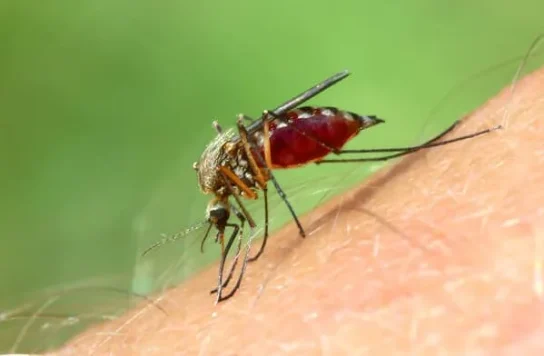
One of the biggest factors is the amount of multi-unit housing across the district. Condominiums, apartments, and rental buildings share walls, plumbing, garbage rooms, and hallways, which creates more opportunities for pests to travel. In North York, that can mean cockroaches in a kitchen stack, bed bugs moving through shared walls, or mice finding harbourage areas in utility spaces. Add in the constant movement of people, deliveries, and waste, and the risk of a pest infestation rises quickly.
Seasonal pest activity also matters. Warmer months often bring ants and increased rodent movement near food sources, while colder weather can push mice indoors through tiny gaps around doors, vents, and pipes. In a district as active as North York, pest pressure does not stop at the doorstep. It can spread from one suite, basement, or storefront to the next if preventive maintenance is ignored.
Because North York is part of Toronto’s larger urban fabric, local pest control has to account for shared infrastructure, heavy traffic, and diverse building age. That means an effective strategy usually combines inspection, sanitation, exclusion methods, and follow-up visits instead of relying on a single treatment.
Common Pest Issues in North York Homes and Businesses
The most common pest concerns in North York tend to follow the same patterns seen across Toronto, but the mix of housing and commerce influences how each problem appears. The most common calls involve cockroaches, bed bugs, ants, and mice. Each one behaves differently, which is why an inspection process should determine both the pest and the conditions supporting it.
Cockroaches are often linked to moisture, food residue, and shared mechanical spaces. They can spread quickly in multi-residential buildings because they travel through cracks, cabinets, drains, and service chases. In kitchens, laundry rooms, and garbage collection areas, good sanitation is essential, but it may not be enough on its own if harbourage areas are already established.
Bed bugs are another major issue, especially in apartments, condominiums, and furnished rentals. They are not drawn to dirt alone; they travel through luggage, furniture, and clothing, making them difficult to manage without a careful inspection and coordinated treatment plan. In a dense part of Toronto like North York, one affected suite can become a building-wide concern if follow-up treatment is delayed.
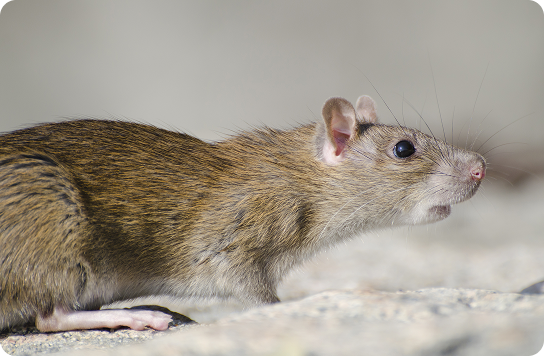
Ants usually become noticeable during warm weather when they follow scent trails into kitchens, bathrooms, and entryways. Even a small gap near a window or utility line can become an access route. Mice, meanwhile, are a year-round concern in homes and businesses, especially where food waste, clutter, or structural gaps provide shelter. Signs of rodent activity include droppings, gnaw marks, scratching sounds, and damaged packaging.
For both homes and commercial properties, local pest control should focus on long-term prevention. That means identifying entry points, reducing access to food and water, and choosing treatment options that fit the building type and use pattern. A one-time fix may help, but persistent pest activity often points to a larger issue in the structure or maintenance routine.
Neighbourhoods and Building Types Across North York
North York is not a one uniform district. Its neighbourhoods differ greatly, and that affects the type of pest control approach most likely to work. From busy commercial strips to quiet home streets, the local environment shapes which pests show up and how they spread.
Willowdale is one of the best-known North York neighbourhoods, with a healthy mix of high-rise condos, high-rise apartments, and townhouses near Yonge Street. The compact layout around Yonge and Finch, as well as the broader Willowdale area, means that pests can move between units more easily than in low-density neighbourhoods. Shared trash rooms, mechanical areas, and underground parking can all become pathways for pest activity.
Finch is a further important corridor, with public transit access, retail spaces, and a broad mix of residential buildings. The mix of apartments, townhouses, and active storefronts creates a setting where rodents and insects alike can find food and shelter. Properties near major roads and bus routes may also see increased delivery traffic, which can inadvertently bring pests or create conditions that help them thrive.
Don Mills has a different character, with a blend of planned residential areas, commercial spaces, and connection to retail spots. Depending on the property type, pest problems may be more related to damp basements, perimeter gaps, or waste storage areas. In family homes and aged townhomes, the priority often turns toward exterior sealing and seasonal preventive maintenance.
Downsview contains a combination of commercial, residential, and redevelopment zones. Such a setting can boost rodent activity and present distinct challenges for nearby homes and businesses. Warehousing, service yards, and older structures can all add to pest pressure if sanitation and exclusion methods are not maintained.
High-Rise Condos, Lower Levels and Older Housing Stock
Within North York, the specifics of the structure matter just as much as the area. Condominiums and units often face common-system issues, while townhouses and family homes may be affected by gaps in the outer structure, moist basements, or aging materials. In each case, the building style changes how pests get in and where they nest.
Basements are a regular concern in North York, especially in vintage homes and semi-detached homes. Humidity, mess, and low-traffic storage areas can all create shelter areas for mice, cockroaches, and ants. Older foundations may have small cracks or utility penetrations that serve as entry points. In contrast, newer buildings may have tighter construction but still face pest issues if waste handling or sanitation is weak.
For landlords, condo boards, and homeowners alike, the best results usually come from regular inspection, quick fixes, and a preventive care routine. That can include sealing gaps, checking vents, monitoring moisture, and making sure food waste is not attracting pests indoors or around entrances.
Transit Access, Shipments and Pest Spread
North York’s transit network is one of the reasons the area is so active, but it also affects how pests can spread. The TTC plays a major role here, especially along Line 1 Yonge-University, where subway stations connect dense residential and commercial zones. In a highly connected part of Toronto, pest control North York residents need often has to factor in movement patterns, not just the conditions inside a single property.
Stations around North York Centre, Yonge and Finch, and other key stops gather commuters, shoppers, and service traffic all day long. That steady movement can make pest prevention more difficult in nearby buildings, especially condominiums, offices, and retail spaces. Bus routes also matter, since they connect neighbourhoods such as Willowdale, Don Mills, Downsview, and Finch to the broader city network.
For property managers and business owners, deliveries are another factor. Food shipments, cardboard, storage bins, and equipment can all create opportunities for pest introduction if goods are not inspected or stored properly. Commercial properties near transit hubs may need closer monitoring because a high volume of people and packages raises the risk of pest infestation.
The key is to treat transit access as part of the local pest picture. A building near a subway station is not automatically at higher risk, but the constant flow of people, waste, and goods does make preventive maintenance more important. That means closing entry points, controlling sanitation, and responding quickly when signs of rodent activity or insect presence appear.
Important Places and Retail Zones to Recognize
Local sites and commercial hubs shape daily life in North York, and they also highlight why pest prevention has to be practical in busy spaces. Yorkdale Shopping Centre is one of the area’s major retail destinations, with ongoing customer traffic, food service, deliveries, and shared back-of-house spaces. Large commercial centres like this need regular monitoring because pests can take advantage of loading docks, storage rooms, and waste areas.
Fairview Mall is another case of a high-traffic commercial property where sanitation, inspections, and exclusion methods matter. Large shopping environments can support pest pressure if waste management is poor or if tenants do not maintain their individual spaces. Even when the public areas look clean, hidden harbourage areas may exist behind fixtures, service corridors, or utility access panels.
North York Centre remains prominent as a major high-density core with condos, offices, and transit access along Line 1. This mix of residential towers, business uses, and TTC connectivity makes it a key area for local pest control planning. The density of the district means a problem in one building can quickly become a concern for neighbouring properties if not managed quickly.
Aga Khan Park represents a separate kind of local reference point, one that reminds residents that North York includes open spaces as well as dense urban blocks. Parks and landscaped areas may not create the same indoor pest issues as apartment buildings, but nearby properties still need to watch for seasonal pest activity, especially where moisture and vegetation meet building foundations.
Together, these landmarks show the breadth of local conditions across North York. From retail centres to transit corridors and cultural destinations, the area demands pest control that is tailored to the way people actually go about their day, shop, and move through the district.
Preemptive Guidelines for North York Residents
Successful pest prevention starts with daily habits and consistent property maintenance. For North York residents, the basics are often the most important: hygiene, sealing entry points, trash storage, and humidity control. These steps may seem simple, but they can create a major difference in reducing pest attraction and limiting access.
Sanitation matters https://mississauga-ondl405.publishlane.com/posts/year-round-pest-control-tips-for-north-york-homes because pests are looking for food, water, and shelter. Keep counters clean, wipe up spills quickly, store pantry items in sealed containers, and avoid leaving pet food out overnight. In shared buildings, shared spaces such as recycling rooms, laundry rooms, and hallways should also be kept tidy so they do not become pest pathways.
Sealing entry points is especially important in older homes, basements, and ground-floor units. Check around baseboards, pipes, vents, doors, windows, and utility penetrations. Small gaps can be enough for mice or insects to enter. In a city like Toronto, where buildings age at different rates, routine maintenance can prevent much larger problems later.
Garbage storage should be managed carefully. Use bins with tight-fitting lids, store waste away from doors where possible, and avoid letting cardboard or organic material sit for long periods. For condos and commercial properties, regular pickup and clean bins help reduce the chance of rodent activity.
Humidity control is another overlooked factor. Excess moisture can attract cockroaches and ants, while damp basements create comfortable conditions for pests to hide. Use dehumidifiers where needed, fix leaks promptly, and ventilate laundry or utility spaces. If your home or building has recurring moisture issues, pest prevention will be much harder until those conditions are corrected.
These habits are part of preventive maintenance, and they work best when used together. One weak point can undo progress elsewhere, which is why residents, landlords, and business owners should think in terms of ongoing care rather than one-time cleanup.
When It’s Time to Call a Skilled Pest Control Service
Eventually there is a stage when DIY efforts are not enough. If you notice repeated pest activity, unexplained droppings, bites, damage to food packaging, or signs of nesting, it may be time for a licensed inspection. In many cases, the issue is larger than what is visible, especially in multi-residential buildings or older properties with hidden entry points.
A trusted provider should use integrated pest management, which means bringing together inspection, monitoring, sanitation recommendations, exclusion methods, and targeted treatment options. Rather than relying only on chemical applications, this approach looks at the full environment and aims to reduce the conditions that support pests in the first place.
Professional extermination may be needed when the infestation is already entrenched or spreading. That can apply to cockroaches in a kitchen line, bed bugs in a suite, mice in a basement, or ants recurring near a foundation. When this happens, the goal is not only to remove the active pests but to break the cycle that is allowing them to return.
A follow-up is important just as much as the first visit. Follow-up treatment helps confirm that the problem is under control and gives the technician a chance to adjust the plan if needed. This is especially important in condos, apartments, and commercial properties where activity in one unit can affect others nearby. When pest issues are persistent, a single service call is rarely the whole solution.
Which Local People Should Anticipate From a Appointment
When scheduling pest control North York homeowners should choose a service that is attentive, transparent, and adapted to the property. In many situations, same-day service can be useful, especially if there are signs of active rodent activity, bed bugs, or a worsening insect problem. Fast action can curb spread and reduce disruption in homes and businesses.
A trained licensed technician should begin with a thorough assessment of the property. That usually includes asking about the history of the problem, checking common harbourage areas, looking for entry points, and identifying any conditions that may be adding to the issue. A proper inspection process should also consider whether the property is a residential service call or one involving commercial properties, because the plan will vary depending on the setting.
Residents should also ask about pet safety. Treatments should be applied with clear instructions about re-entry times, food handling, and any precautions needed for pets or children. A dependable company will explain how the treatment works and what steps the household should take before and after service.
Finally, you should receive a clear treatment plan. This should outline the issue, the recommended treatment options, any exclusion methods needed, and whether follow-up visits are expected. In a place like North York, where homes range from basement apartments to high-rise condominiums and older single-family homes, the best plans are tailored rather than generic.
Area pest control works best when it matches the realities of the neighbourhood: transit access, building density, seasonal changes, and property type. If you understand how those factors interact, you can choose a service that is better prepared to handle pests in the long term.
FAQ
Which pests are most common in North York, ON?
The most common pest concerns in North York are cockroaches, bed bugs, mice, and ants. These pests are especially common in multi-residential buildings, older homes, and commercial properties where food, moisture, and entry points are easier for pests to find.
Are condominiums and units in North York more at risk for pest issues?
Yes, condominiums and units can face higher pest pressure because they have common walls, plumbing, hallways, and garbage areas. In North York, closely packed housing around transit corridors can make it more likely for pests to move between units if preventive maintenance is not consistent.
How does TTC and subway access affect pest spread in North York?
TTC access, particularly along Line 1 Yonge-University and near busy subway stations, increases movement of people, deliveries, and goods. That does not directly cause pests, but it can help them move between buildings and make monitoring more essential in transit-adjacent areas.
What should I look for in pest control North York services?
Look for a certified technician, a detailed inspection process, clear treatment options, integrated pest management, pet safety guidance, and follow-up visits if needed. A good provider should also understand local housing types and commercial conditions in North York neighbourhoods.
When is the best time to schedule pest prevention in North York?
The best time is ahead of when a pest problem becomes visible. Spring and fall are especially useful for proactive maintenance because seasonal pest activity often changes then, but year-round inspections and sealing entry points are important for homes, condos, and businesses across North York.